How to Prevent DPF Blockages: 8 Simple Tips for Diesel Vehicle Owners
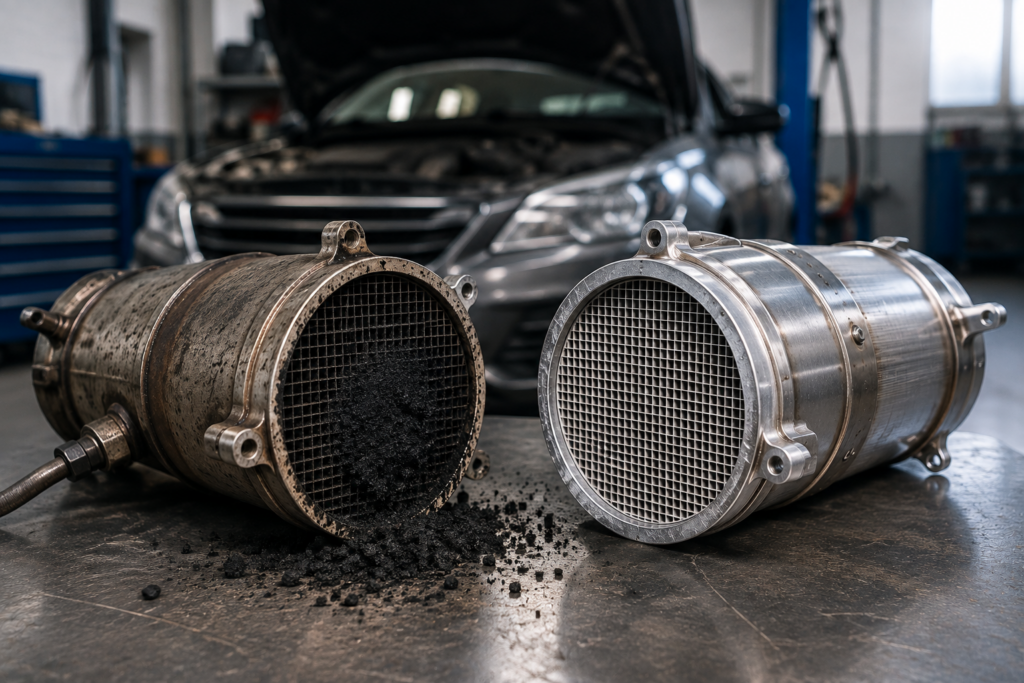
A Diesel Particulate Filter (DPF) is designed to capture soot and particulate matter from a diesel vehicle’s exhaust. During normal operation, the vehicle uses regeneration to burn accumulated soot. However, frequent short journeys, stop-start driving, poor-quality fuel and incomplete regeneration can cause soot and ash to build up inside the filter.
A blocked DPF can lead to warning lights, reduced engine performance, poor fuel efficiency and limp mode. The good news is that regular maintenance and sensible driving habits can help reduce the risk of DPF blockage.
1. Avoid Frequent Very Short Journeys
Short city trips can prevent the engine and exhaust system from reaching the temperatures required for effective regeneration.
If your vehicle is mainly used for short journeys, consider occasionally taking a longer drive when it is safe and appropriate to do so. Always follow your vehicle manufacturer’s recommendations for regeneration.
2. Don’t Ignore the DPF Warning Light
A DPF warning light is an indication that the vehicle’s emissions system needs attention.
Ignoring the warning can allow soot accumulation to increase and may eventually result in reduced performance or limp mode.
If the warning remains or returns frequently, have the vehicle professionally diagnosed.
3. Use Good-Quality Fuel
Fuel quality can influence the amount of particulate matter produced during combustion. The DPF Cleaning Centres website identifies poor-quality fuel as one factor that can accelerate DPF blockage.
Using fuel that meets your vehicle manufacturer’s specifications is an important part of maintaining the emissions system.
4. Keep Up With Regular Servicing
Regular vehicle maintenance can help identify problems before they contribute to DPF blockage.
Pay particular attention to:
- Engine oil and filter changes
- EGR system condition
- DPF pressure sensors
- Turbocharger condition
- Engine performance
- Warning lights and diagnostic codes
Underlying engine problems can cause the DPF to become blocked again even after cleaning.
5. Pay Attention to Changes in Engine Performance
Loss of power, reduced fuel efficiency, excessive smoke or limp mode can be signs of a DPF or emissions-system problem.
Don’t wait until the vehicle becomes difficult to drive. Early diagnosis can help prevent a relatively manageable issue from becoming a more serious repair.
6. Check the EGR and Sensors
The DPF does not operate independently. Sensors and components such as the EGR system help the vehicle manage emissions and regeneration.
A faulty sensor or EGR issue can interfere with regeneration and contribute to excessive soot accumulation.
7. Don’t Assume Regeneration Fixes Everything
Regeneration is an important part of DPF operation, but it does not remove every type of contamination.
Over time, ash can accumulate in the filter and reduce available flow. When the filter requires professional attention, specialist cleaning can help remove accumulated soot and ash.
8. Consider Preventative DPF Treatment
For vehicles that regularly operate in urban conditions, preventative products can be useful as part of a broader maintenance routine.
DPF Cleaning Centres promotes DPF Power Protect as a preventative treatment designed to support regeneration and DPF maintenance, particularly for vehicles that frequently make short, low-speed journeys.
When Should You Get Your DPF Professionally Cleaned?
If your vehicle is experiencing:
- DPF warning lights
- Loss of engine power
- Reduced fuel economy
- Frequent regeneration
- Limp mode
- Excessive smoke
- Repeated DPF blockage
professional inspection may be required.
DPF Cleaning Centres uses a multi-stage process that includes diagnostic checking, pre-clean inspection, deep cleaning, flow-rate testing and regeneration.
Keep Your DPF Healthy
Looking after your DPF doesn’t have to be complicated. Regular servicing, appropriate driving habits and early attention to warning signs can help maintain your vehicle’s emissions system.
If your DPF is already blocked, don’t simply ignore the problem. Contact your nearest
DPF Cleaning Centre for professional advice and cleaning.
Need DPF cleaning? Find your nearest DPF Cleaning Centre and get your vehicle back on the road.